
From Vacation to Freedom – How I Found My Way to Slow Travel
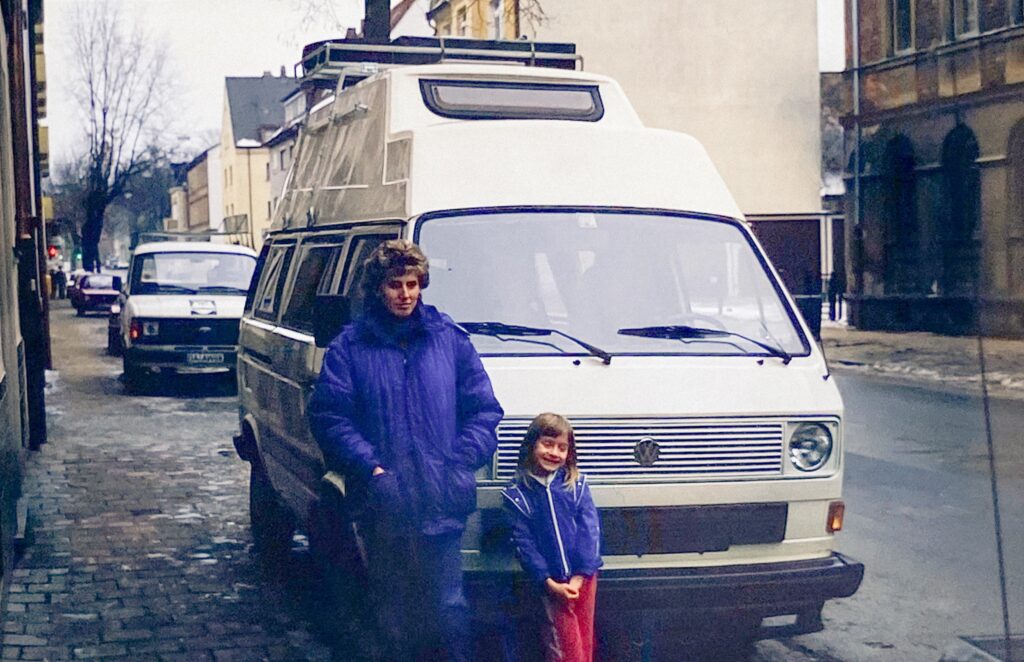
My first trips were spent asleep — on the folded-down sleeping surface in the back of our VW van, while my mother read aloud or a cassette tape of children’s stories played, and mile after mile passed by outside. I had no idea where we were going, no say in it, no plan. It would take over thirty years before I started determining my own tripsIt would take over thirty years before I started determining my own trips – and finding my way to slow travel.
Today, I’m grateful for it, because I was lucky: my parents loved discovering new countries instead of returning to the same region or place every year. My first trip happened when I was barely one year old — to Hungary, to visit friends. From then on, my summers were shaped by the scent of pine forests and the chirping of cicadas. Sometimes, on the way south, we’d spend the night by a river and brush our teeth the next morning in its ice-cold water. As soon as the weather turned, we’d move on — usually heading south, until the air smelled of salt and sea. To me, this was simply normal life, not something I consciously thought of as “traveling.”
That went on for two decades. Then came the cut.
Finding My Own Compass
At some point, I got too old to keep traveling with my parents. Now it was about finding my own travel style. Unfortunately, my twenties brought exactly what stands in the way of wanderlust: vocational training, university, too little money, and partners who didn’t share my love of travel.
And yet there were bright spots — even if not every one of them was the right one. A single all-inclusive vacation with my then-boyfriend was enough to know: this isn’t for me. Too much food, too little adventure.
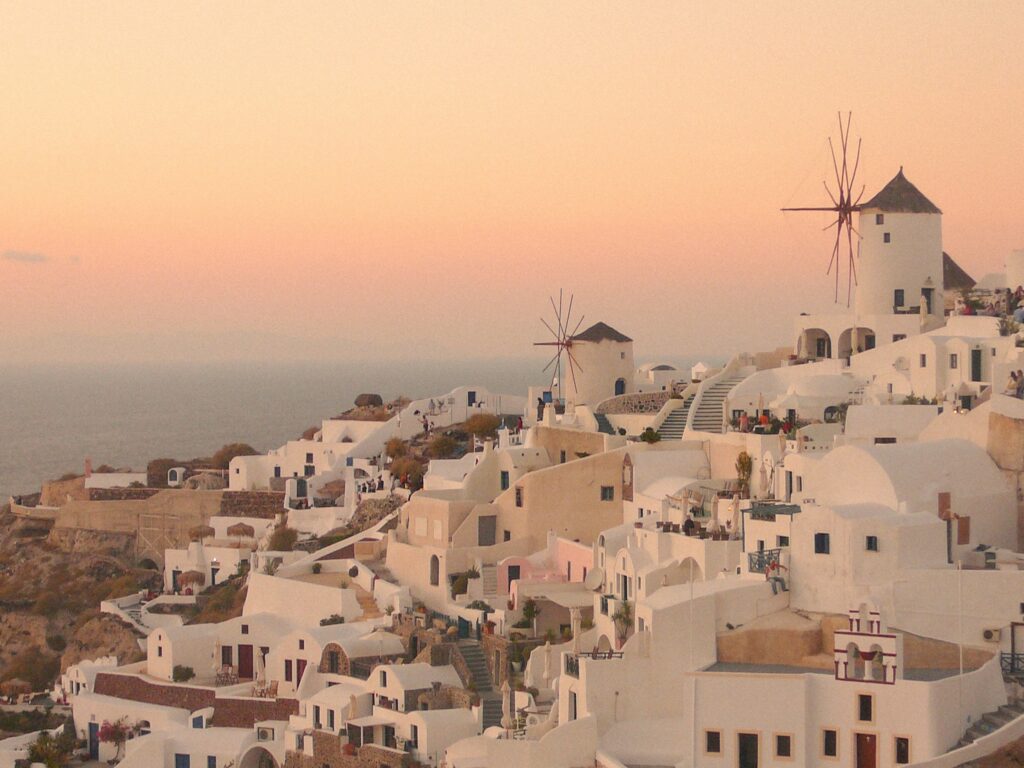
In my mid-twenties, I flew alone for the first time — I had booked my first group tour and was excited about what awaited me island-hopping through the Cyclades. It was new for me to travel with strangers, but I still didn’t have to worry about anything; someone else handled the planning. It was only on later group trips that I realized how lucky I’d gotten with this particular group — because what I eventually learned was this: the mood of a trip stands or falls with the group.
Still, travel remained the exception, not the rule. Our exam schedules never lined up, so travel plans with my new boyfriend rarely had a chance. Once, we skipped the first week of lectures of the semester and treated ourselves to a week in Mallorca instead.
The Big Wide World
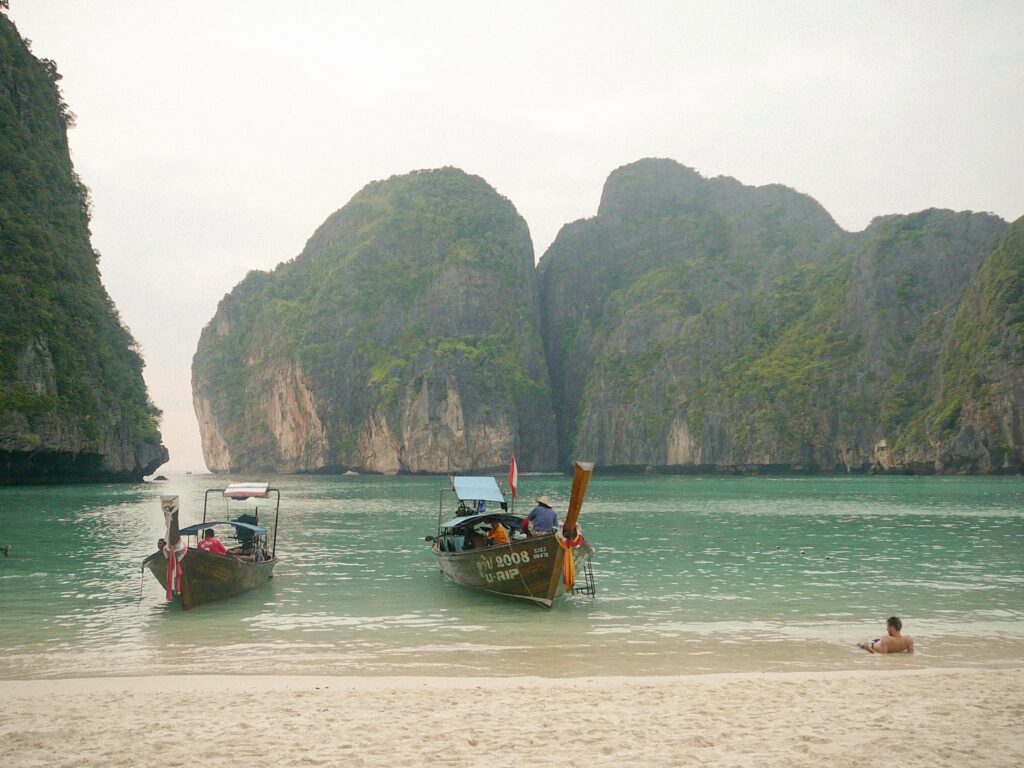
For my 30th birthday, a long-held dream came true: my first trip beyond Europe, backpacking. Together with my boyfriend and mutual friends, we headed to Thailand. Aside from the flight, a rough route, and the last hotel night, nothing was planned. It was a contrast program and culture shock in every sense. The hot, humid climate hit us the moment we stepped out of the airport, the unfamiliar spicy food turned up the heat even further — rice with curry, even for breakfast. Basic accommodations with the occasional guest appearance from various small creatures were the norm, skin constantly coated in either sunscreen or mosquito spray, 30-degree ocean water that offered not the slightest relief.
On the other hand, the Land of Smiles also revealed so much beauty: magnificent temples and glimpses into Buddhism, paradise islands with a diversity of marine life I had never seen before, adventurous modes of transport that would never pass inspection back home. Vendors selling their goods from small boats at the floating markets, the morning rituals of monks, trees glowing in the blinking rhythm of fireflies. We got to spend part of the trip with local friends, which let us dive deeper into the country’s culture and customs.
This adventure changed my way of traveling in an instant. From then on, I traveled more often, more adventurously, and I stopped leaving the route planning to others. Next came Australia’s east coast by camper van, from Brisbane to Cairns, and the ancient Maya sites deep in the Mexican jungle. With every new destination, I felt a growing pull toward more exotic, more distant places, mostly in Asia. Still, all these trips shared the same principle: I still wasn’t moving at my own pace, but rather adapting to others and planning everything from start to finish.
The Sabbatical That Changed Everything
At 38, I was tired of making compromises, of convincing others of my travel plans, and of only ever having a few weeks a year to travel. I wanted to move through the world just once, without time pressure and on my own terms.
I arranged a sabbatical with my employer, sublet my apartment, and set off in September 2019 on a seven-month journey through Asia and Oceania. I traveled mostly alone. Without a fixed route, without a group as a buffer against loneliness, without anyone to lean on. In total, I had six weeks of company from friends or my partner, but otherwise I was on my own. What followed turned out to be more than just a trip.
I discovered many countries, made new friendships, but above all, I learned a lot about myself and my abilities. Especially at the start, I traveled through countries like Uzbekistan and China, where I could barely communicate in the local language. Gestures, facial expressions, and a translation app became my means of communication. At first, it felt strange and awkward to sit alone at a restaurant table, but over time I began to enjoy it, and it became my new normal. I was only ever alone when I wanted to be. Whenever I sought company, a conversation partner always appeared. It was actually much easier to make contact or start a conversation while traveling solo. Still, especially in the first two months, I sometimes felt isolated — and every time a travel companion left, I’d slip into a small emotional low.
After a few days and new impressions, that feeling would pass again, though. In New Zealand, I could communicate more easily again and was much more mobile and spontaneous with the camper van. My family, in particular, struggled with this new spontaneous side of me. Where I had always been well-organized on past trips, I now shocked them by making decisions fresh, day by day. That was actually a new skill I picked up: becoming more flexible and adaptable. Not planning everything down to the last detail, but reacting spontaneously instead. Slowing my pace. And whenever something didn’t work out as planned, there was always a new possibility the next day.
My camera also helped me look at things more closely and, in doing so, slow my journey down even further. I could let myself drift, since I didn’t have to consider anyone else. Some of my most beautiful photos came out of that. Photography taught me to notice what others rush past. The early morning hours, when the world was still asleep and silence was everywhere, became my favorite time of day.
There was, however, another kind of slowing down I could have done without. In Vietnam, I got sick and had to learn just how helpless you are without anyone to care for you. I couldn’t simply stay in bed — I had to feed myself too. It got bad enough that I seriously considered cutting the trip short. It was also the first time I felt homesick. The town did have a hospital, but even the doctors there barely spoke English. As soon as my condition improved a little, I flew to the capital, where medical care was more comprehensive and the German embassy was located. That was in February 2020.
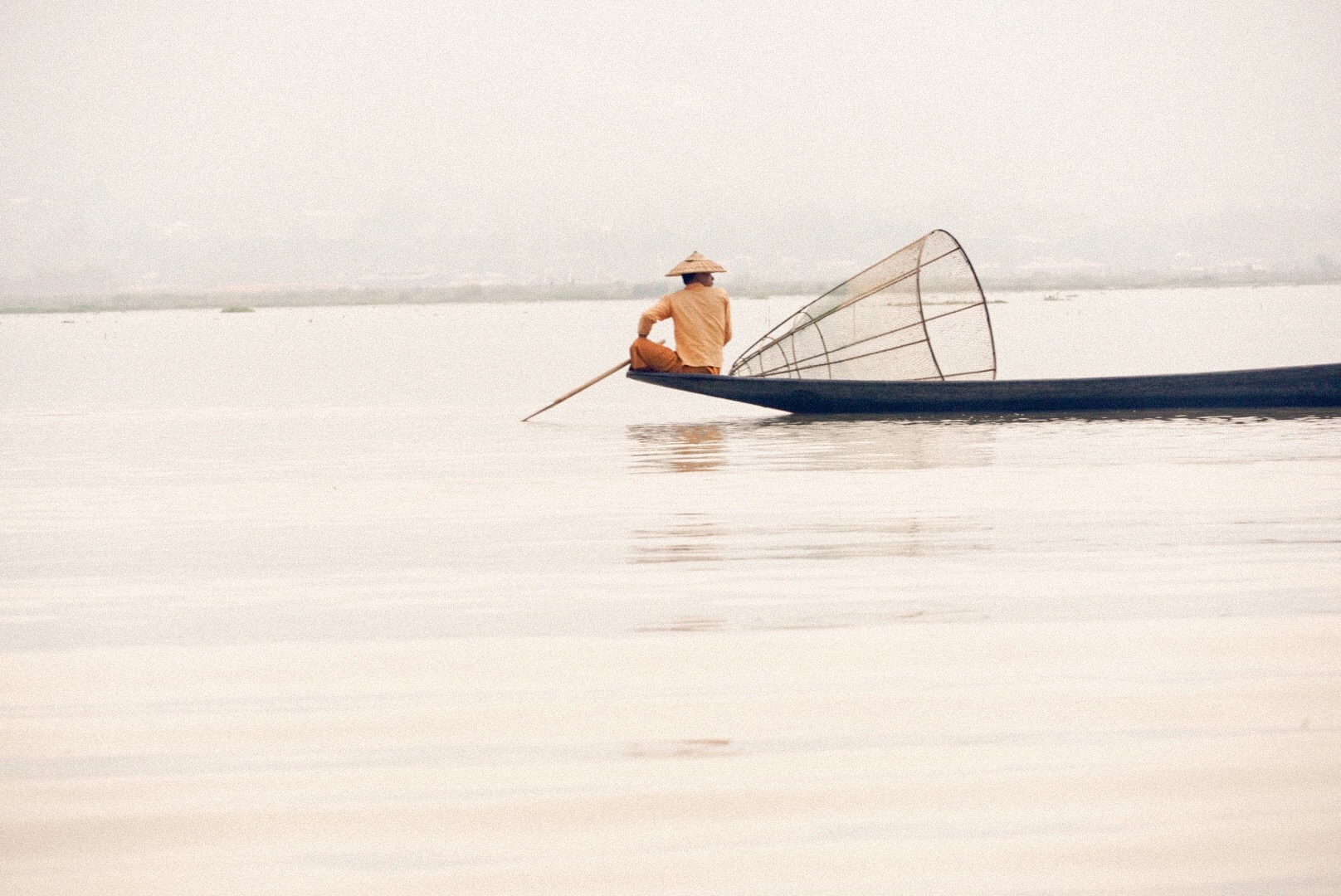
I recovered, physically and mentally, and was able to continue the journey. Two highlights still awaited me: the temples of Angkor Wat and Myanmar. Myanmar, in particular, fascinated me with its untouched character — a country barely reached by mass tourism.
Looking back, every country had its own charm and appeal — whether it was the varied food, the breathtaking landscapes, the historic sites, or the unassuming hospitality of the locals. In the end, the countries that drew me in most were the ones that felt most different from our own culture.
The World Stands Still
Full of new impressions and a newfound love of freedom, I returned home in mid-March as planned. Three days before the lockdown. The global situation had already been escalating for two weeks. I found the standstill I had never wished for: the pandemic. For months, every distant place became unreachable — travel reduced to nothing but a memory. The world was no longer the same, and boundless freedom turned into a prison within my own four walls. What remained were the photos and the many impressions from my trip.
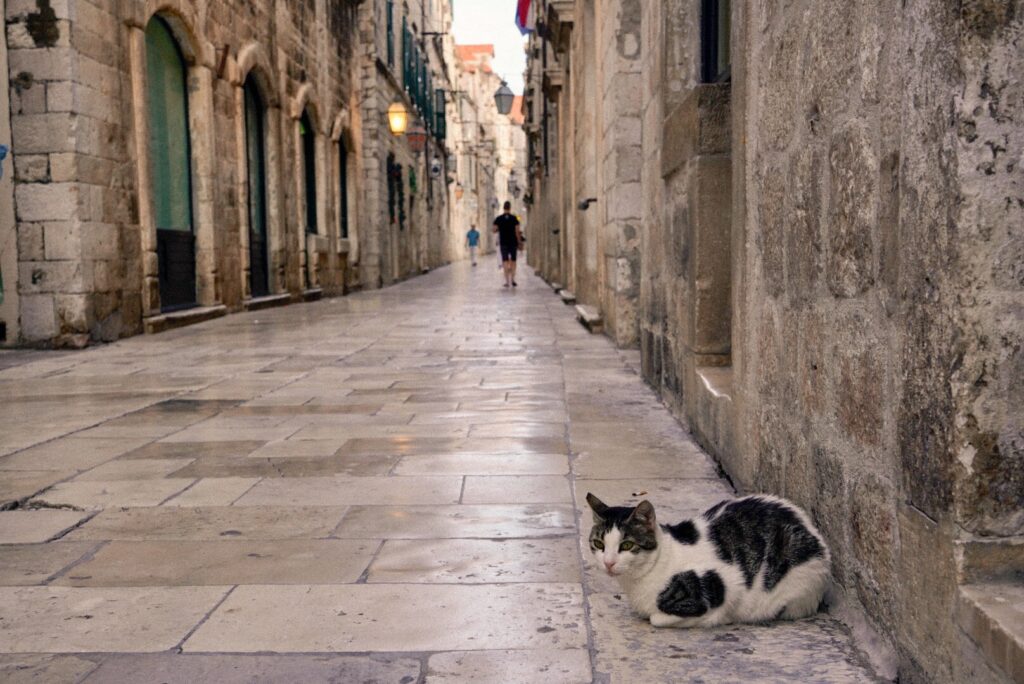
The first chance to break out of my personal cage came more than a year later. For my 40th birthday in July, I flew to Dubrovnik. I had chosen my destination well — a place usually overrun by crowds, now benefiting from the worldwide standstill instead. I experienced the city the way many others hadn’t been able to for years: empty, quiet, authentic. I understood that these still, quiet windows of time don’t stay open for long, and I seized my chance. Those days in Dubrovnik made one thing unmistakably clear to me: traveling isn’t negotiable — it’s the way I understand myself and the world.
I stepped beyond Europe’s borders again that September — back to a country that had stayed with me ever since my first visit during the sabbatical: Uzbekistan. This time, a friend from Bukhara I had met back in 2019 joined me. He showed me his homeland the way only a local can show it to an outsider — off the beaten path, through his own connections and knowledge. It taught me something essential: traveling isn’t about being a tourist in a place. It’s about returning, about building relationships that last across years and borders. It’s about seeing a country through the eyes of someone who calls it home.
Balance Between Planning And Letting Go
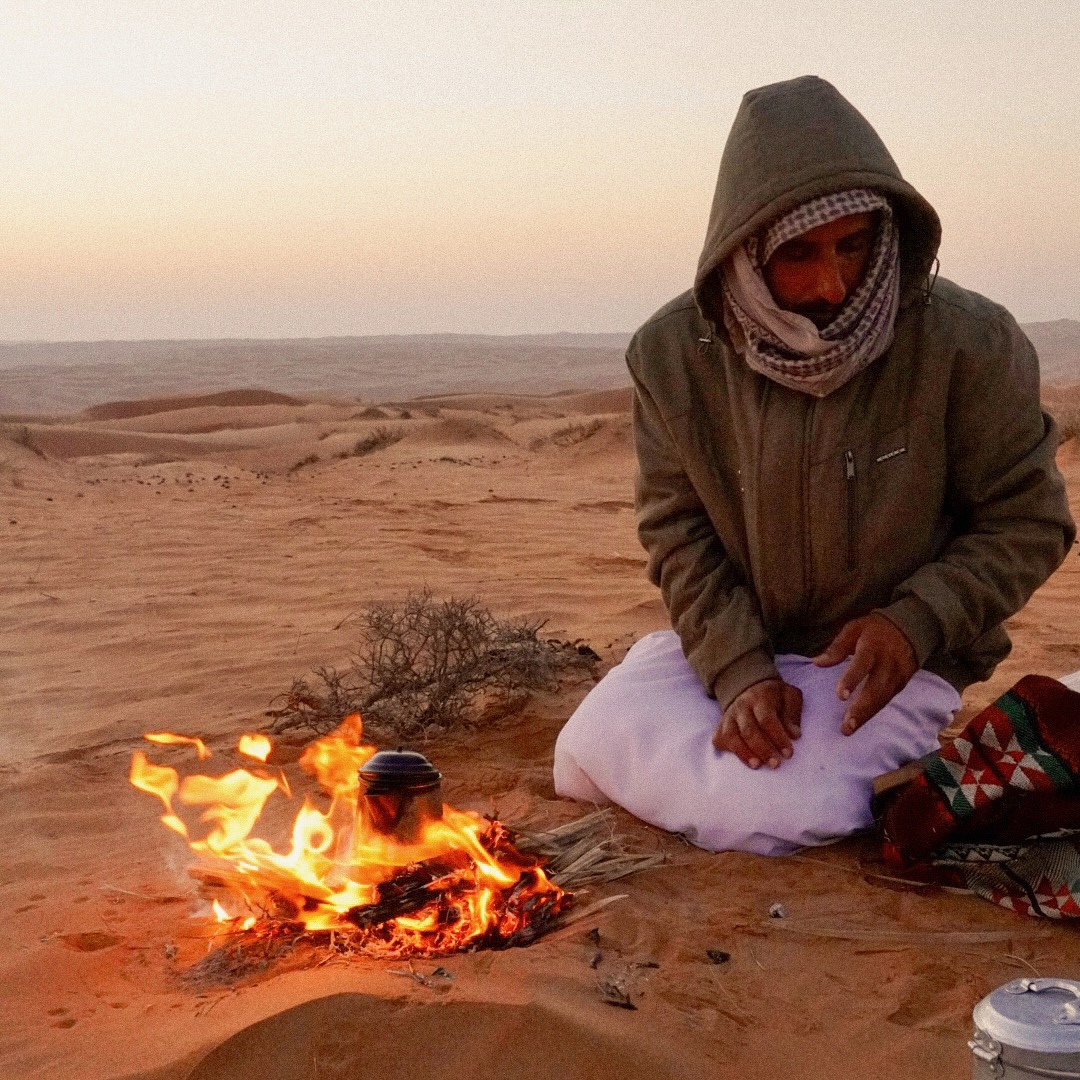
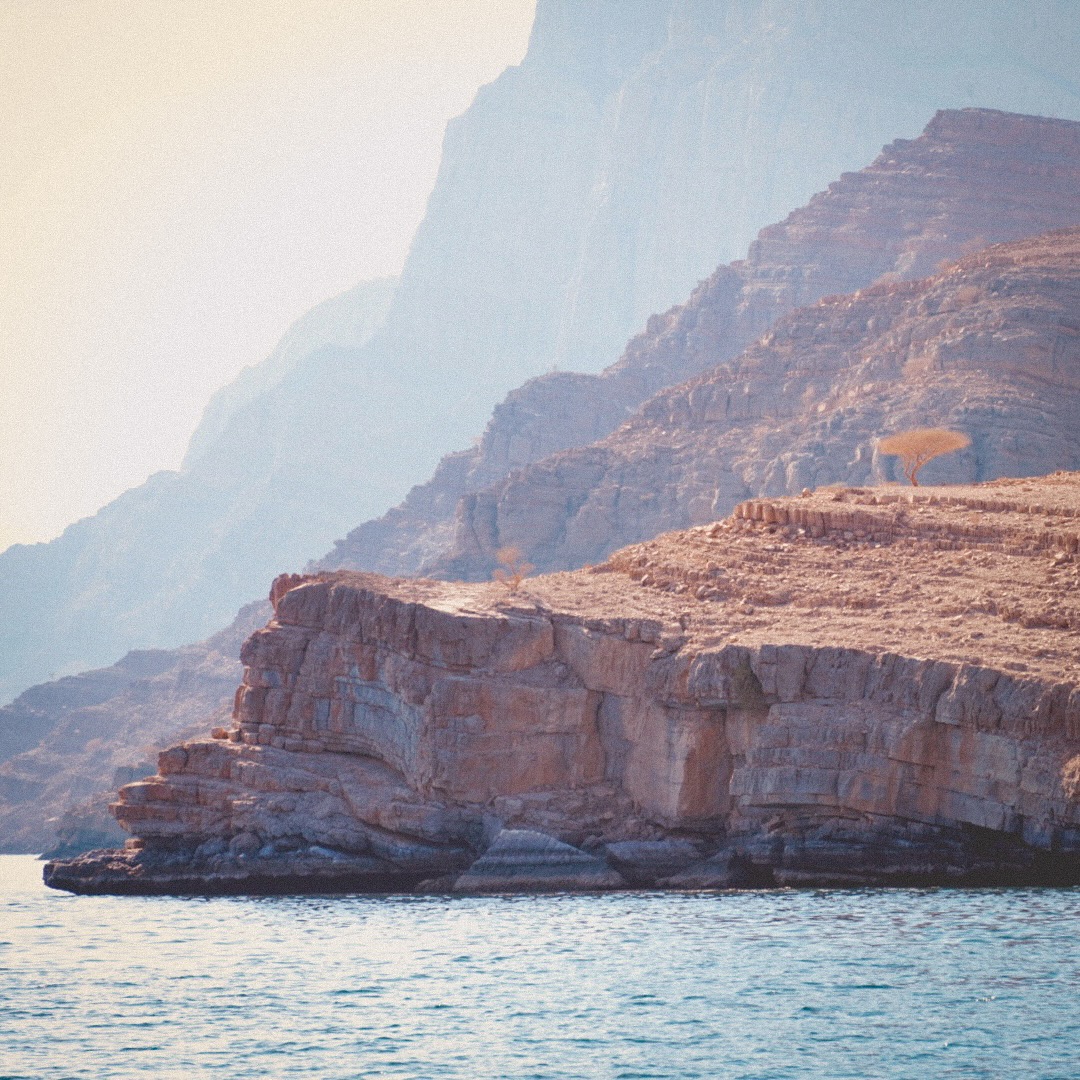
Something I’ve kept coming back to ever since my seven-month trip is letting go more – a realization inseparable from slow travel: only having time makes letting go possible in the first place. That doesn’t mean I’ve stopped planning altogether — I still organize most of my trips myself. Not because I’m a control freak, but because it gives me a sense of agency. I decide what I see, how long I stay, and which detours I take. On my journey through Asia and Oceania, I also learned something else: how to travel without a plan. When you have months instead of weeks, you can afford to decide day by day instead of planning everything down to the smallest detail. Even on shorter trips now, I leave more and more room for spontaneous decisions. In Oman, I slept in the car twice because a particular spot enchanted me and it simply felt right to spend the night there. In Taiwan, I spontaneously decided to stay an extra night with a tea farmer because my host’s warmth and the calm of the mountains did me so much good.
Over time, I’ve learned to combine both: planning and letting go. Short trips still need structure, especially during high season, when accommodations book up early. On longer trips, I now only plan a rough route and decide the rest on the spot — based on circumstances, mood, and spontaneity. My travel companions are increasingly seeing my side as an explorer, alongside the planner and organizer in me.
Letting go, for me, doesn’t just mean planning less — my solo trips have also increased since 2020. I still travel with friends and family, of course, but I keep coming to appreciate exploring a country alone and only following the paths — or seeing the things — I want to. It gives me an inner peace I don’t experience in quite the same way on shared trips.

More Than a Number
So far, I’ve visited 43 countries, most of them in Asia and Europe — two continents that continue to draw me in the most to this day. More will surely be added in the future. For a long time, that number felt like a kind of trophy to me. But in the end, it’s not about the sum of how many countries I’ll travel to — it’s about what I take with me along the way: experiences, insights, new ways of living. It’s about how I grow from it, and how I come to understand the world — and myself — a little better with every place.
What Comes Next
A dream that has taken shape over the past few years, one that brings me a little closer back to where my travels began, is to travel the world in an overland vehicle. Last year, I met and fell in love with a man with whom this dream could become reality. Like me, he doesn’t follow the conventional path either, even if his reasons for that are different. What connects us is the same drive to explore, the same desire for a life beyond homeownership, career ladders, and children.
Together, we’re planning the next chapter: a 4×4 vehicle, several years of travel, across multiple continents, at a slower pace than ever before. No rushing. No collecting. Living in the here and now. Simply understanding and seeing as much of the world as possible — but in our own way.
Roads Beyond Ordinary is an ode to slow travel, to mindful, intentional exploration, telling the story of how I see and understand the world. It’s less about the destination than about the journey — about moments that mean more than an Instagram post, about encounters that quietly change you, about places worth protecting. It’s about morning walks through empty streets, about adventure, about real friendships across borders, and about accepting that not everything always goes smoothly — and taking life as it comes.
These are the stories and moments that live here — and maybe they’ll inspire you to find your own way of traveling.